BRANCH × SPACE
Building Off-World Solutions
AN ONGOING PARTNERSHIP WITH NASA
ADVANCING THE FUTURE OF LUNAR SPACE SOLUTIONS
Our journey with NASA began in 2017, when Branch Technology was awarded first place in NASA’s Centennial Challenges: 3D-Printed Habitat Challenge. This recognition validated our technology as a viable solution for the unique constraints of space-based applications, launching our journey of studies and redefining how our technology is best for the lunar surface.
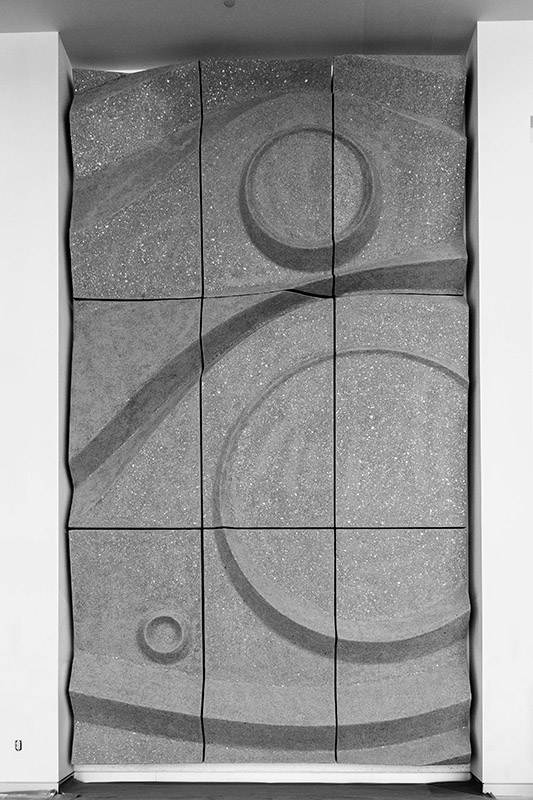
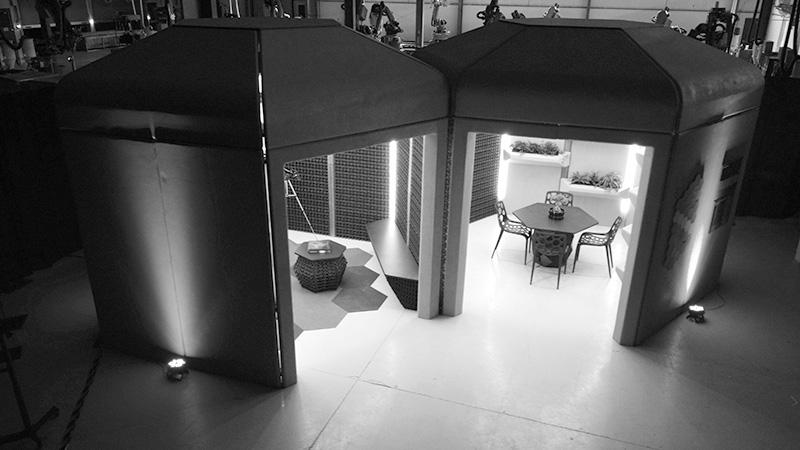
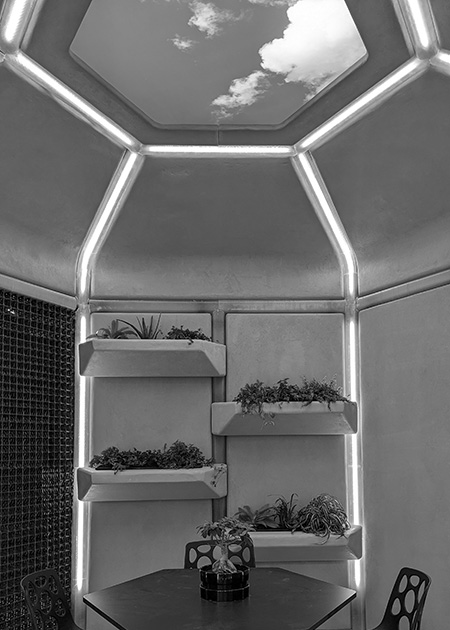
Following this award, we partnered with Stanford University and Foster + Partners to demonstrate what habitat outfitting could achieve through Freeform 3D printing. Under the NASA MSFC CAN Grant, we successfully 3D printed the Lunar Habitat Prototype Outfitting Demonstrators (PODs). This project showcased how our technology is extensible to many other lunar surface infrastructures, with the potential to solve complex technical requirements for lunar surface operations.
Over the years, these collaborative studies with NASA have narrowed the application of our technologies to a specific mission context: providing 3D printed solutions on the lunar surface. This evolution has led to our current mission: the Tall Lunar Tower.
TALL LUNAR TOWER
A SOLUTION FOR THE LUNAR SURFACE
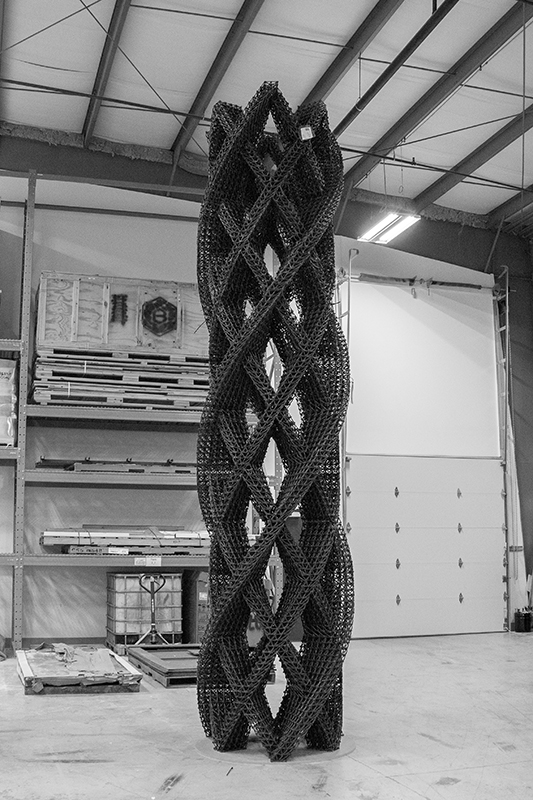
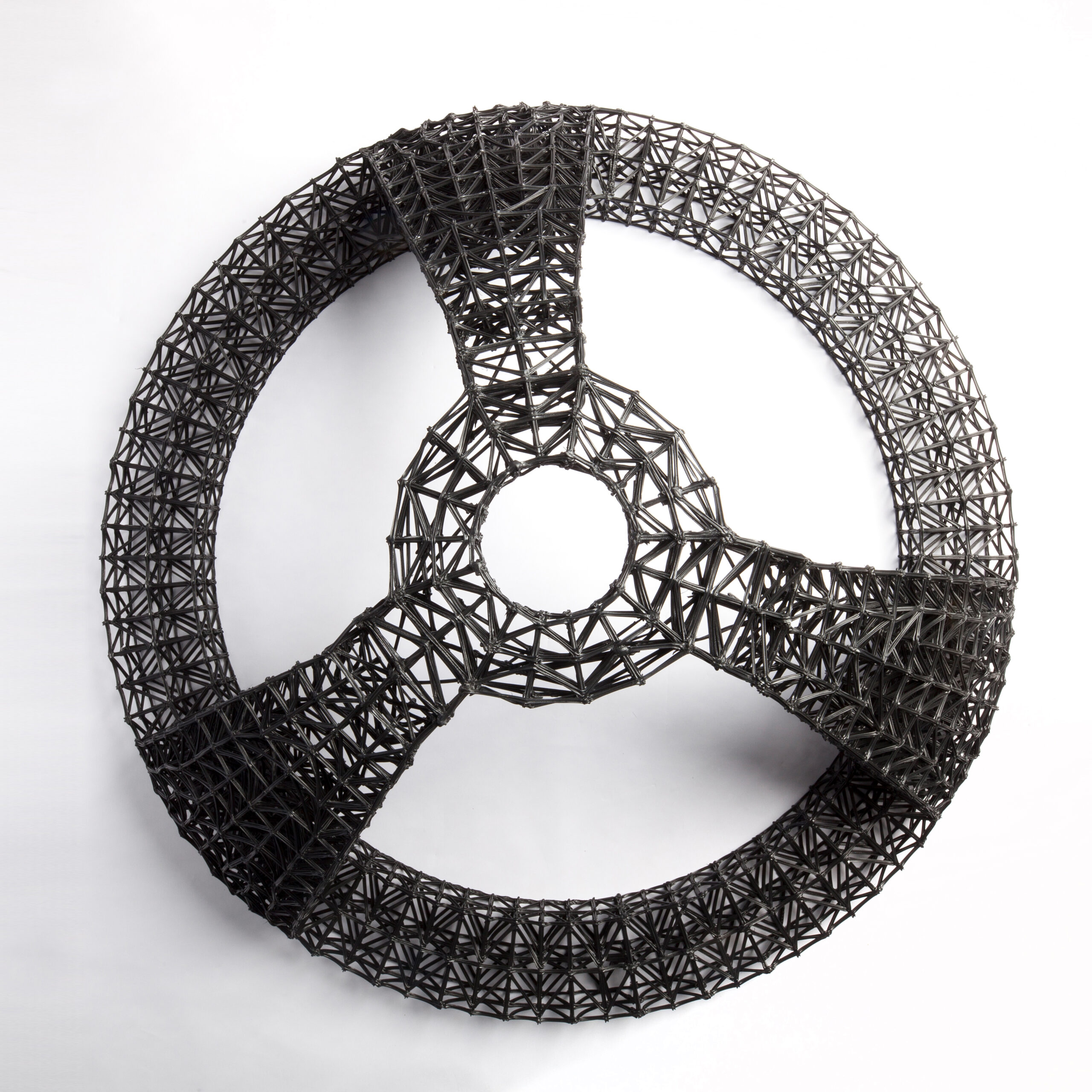
Branch was awarded a Small Business Innovation Research (SBIR) Phase I Award to investigate the feasibility of printing a 50-meter-tall tower on the surface of the moon using C-Fab® technology. The mission inspiring this work is the development of a tall lunar truss tower designed to enhance solar power collection and communication signals on the lunar surface. By using a process that produces a structural lattice rather than solid layers, our technique consumes up to 95% less material than typical additive manufacturing methods. This efficiency helps solve the problem of launch mass, meaning we can reduce the weight of materials that must be transported from Earth.
We successfully demonstrated the feasibility of this concept for NASA under the Phase I Award, collaborating again with Foster + Partners to find an optimal solution for fabrication, structural integrity, and responsiveness to extreme and variable lunar surface conditions. NASA awarded our team an SBIR Phase II contract to continue with a second phase of the Tall Lunar Tower (TLT) project. This work focuses on the material science of using C-Fab® and Freeform 3D printing techniques in a lunar environment, as well as demonstrating machine operability in vacuum to emulate lunar surface conditions here in the lab. Ultimately, the goal for this project is to have an operable machine prototype that could be used to produce large-scale infrastructure on the moon.
Branch is currently performing the relevant material science, extrusion testing, environment-specific design studies, and structural demonstrations required by this contract. Because our 3D printing process is inherently autonomous, it will allow for the creation of these essential utilities without the need for direct astronaut intervention.
Below is a video created by Foster + Partners on the Tall Lunar Tower:
BRINGING SPACE TO EARTH
LUNAR SURFACE FACADE
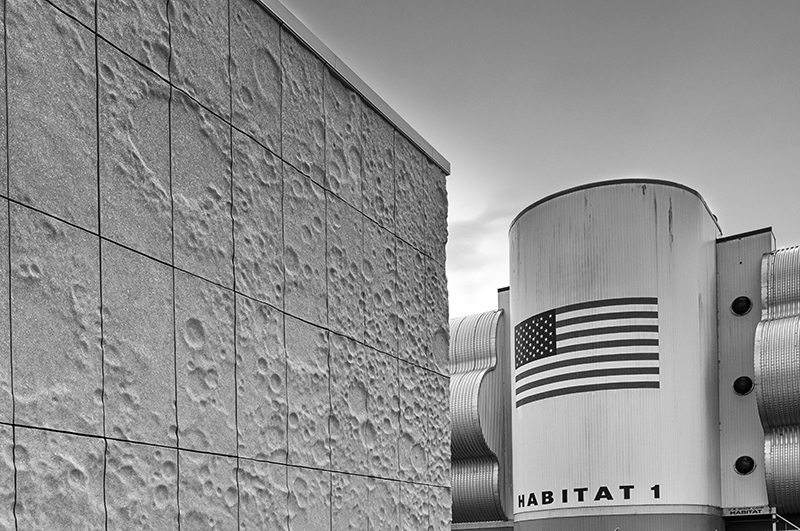
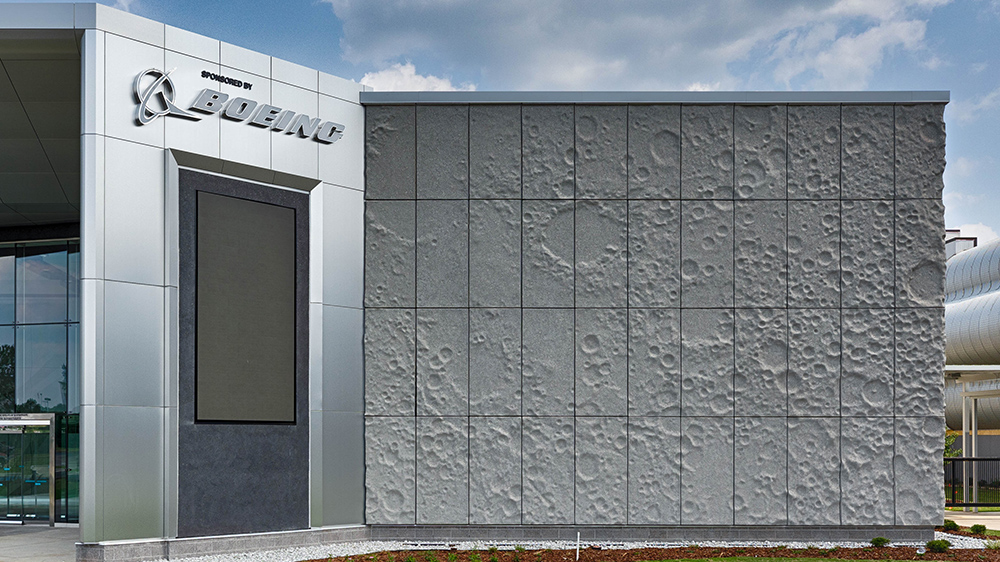
Our extensive research into lunar infrastructure led to a natural transition into specialized Earth-based projects, such as our collaboration with the U.S. Space & Rocket Center (USSRC). When the USSRC sought an inspiring design for its new Space Camp facility, we provided a solution that didn’t just resemble the Moon—it replicated it. Utilizing NASA’s LiDAR 3D scanning technology, we integrated authentic lunar data into our digital fabrication process to create a scaled replica of the moon’s craters for the BranchClad® facade.
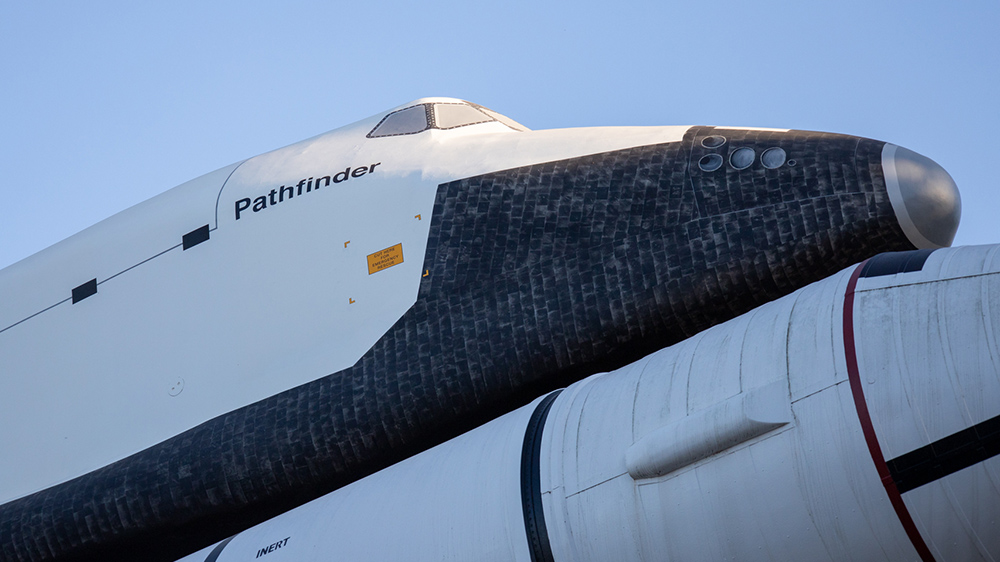
PATHFINDER SPACE SHUTTLE
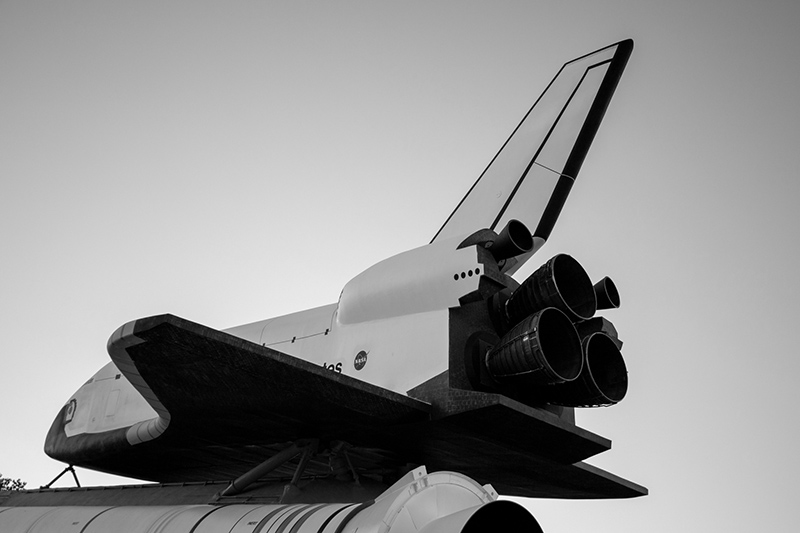
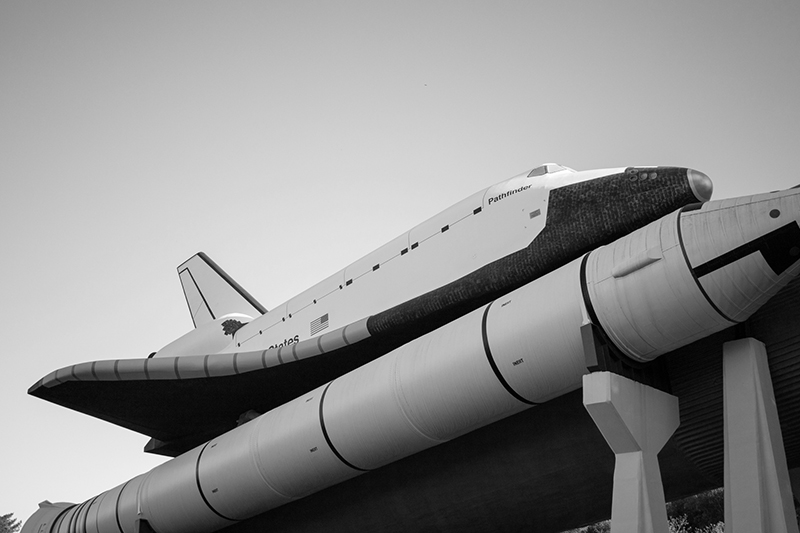
Following this project, our partnership with the USSRC expanded to the restoration of the Pathfinder Space Shuttle. For this historic endeavor, we designed and 3D-printed lightweight, high-strength BranchClad® panels using our C-Fab® process. Our team produced approximately 40,000 lbs of material that was seamlessly integrated into the shuttle’s iconic 220,000 lb steel structure, demonstrating how our space-tested technology can be utilized to preserve significant aerospace history.